Most hiking etiquette isn't written down anywhere, which is why so many people get it slightly wrong without realising. It's not that they're being rude — they've just never been told. There are a handful of unspoken conventions that experienced hikers follow by habit, and once you know them, you'll start noticing the difference between trail users who've absorbed them and trail users who haven't. The good news is they're easy to learn and they make everyone's walk better, including your own.
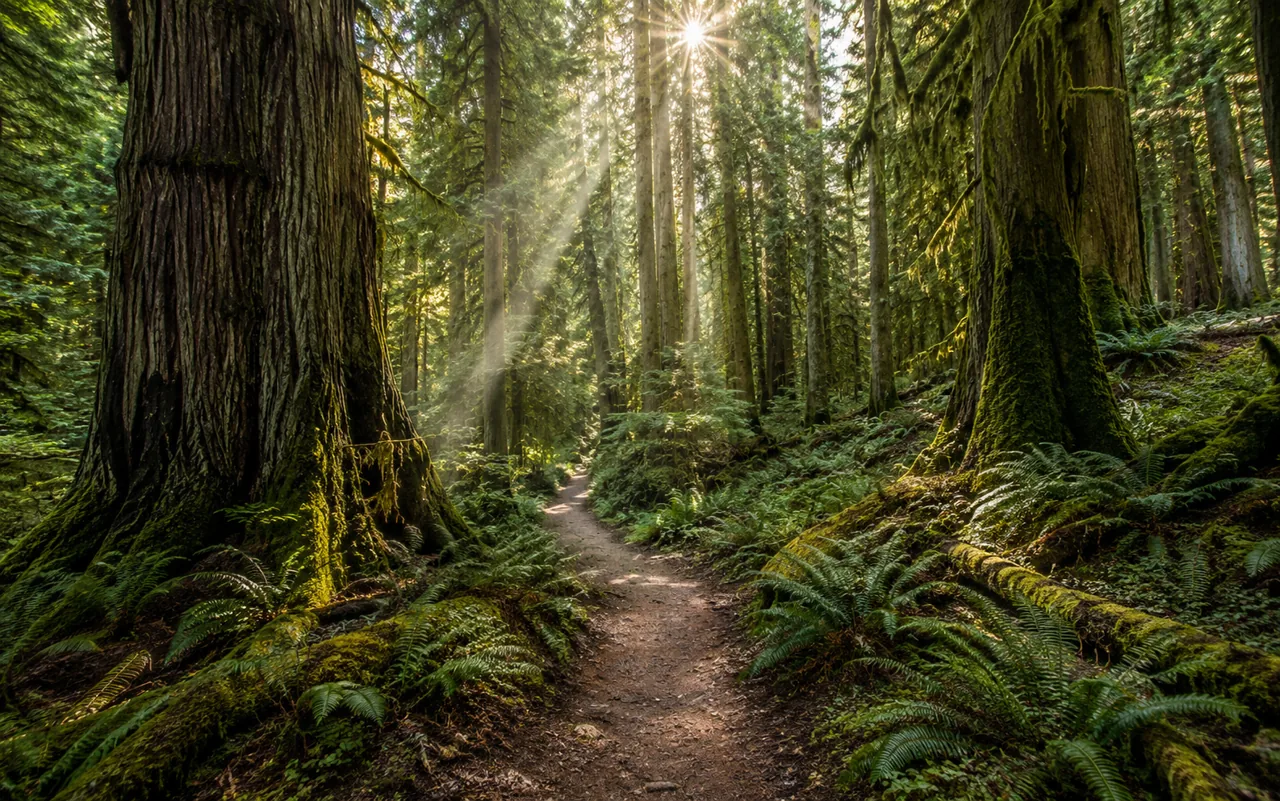
The reason trail etiquette matters more than, say, supermarket etiquette is that trails are narrow, often blind around corners, and shared between people moving at very different speeds. A small piece of consideration goes a long way when you're meeting a stranger on a single-track footpath with a steep drop on one side.
Who yields to whom
The basic rule of trail right-of-way, in most of the world, is that hikers going uphill have right of way over hikers going downhill. The reasoning is practical — climbing hikers have a rhythm, a heart rate, and a narrow field of vision focused on their footing. Asking them to stop and step aside breaks all three. The downhill hiker, with gravity on their side, can easily pause and step off the trail. That said, most uphill hikers, when they see a downhill group approaching, will wave them through anyway because they want the breather. Either is fine; the key is to communicate clearly rather than both standing awkwardly waiting.
Horses always have right of way over everyone. Bikes yield to hikers, although on busy multi-use trails the reverse often happens in practice. Solo hikers usually yield to groups simply because it's easier for one person to step aside than five.
Step off on the durable side
When you do step off the trail to let someone pass, step onto rock, hard-packed dirt, or gravel — not onto vegetation. Trail edges in popular areas are already being widened by hikers stepping onto soft margins to pass each other, and over thousands of small interactions that widening becomes erosion. If you have to step on plants, pick the most resilient ones and step lightly. Five seconds of thought about where you put your boot saves trail maintenance crews hours of work later in the season.
Keep the soundscape
This one's controversial. Some hikers like a playlist on the trail, ideally on a portable speaker, ideally loud. Almost everyone else they share the path with does not. The countryside is one of the few remaining places where the soundscape is the point — birdsong, wind, water, the crunch of your own boots. Bringing a speaker into that environment is a bit like bringing a beach ball into a library. If you want music, use headphones, keep one ear free for safety, and you're golden.
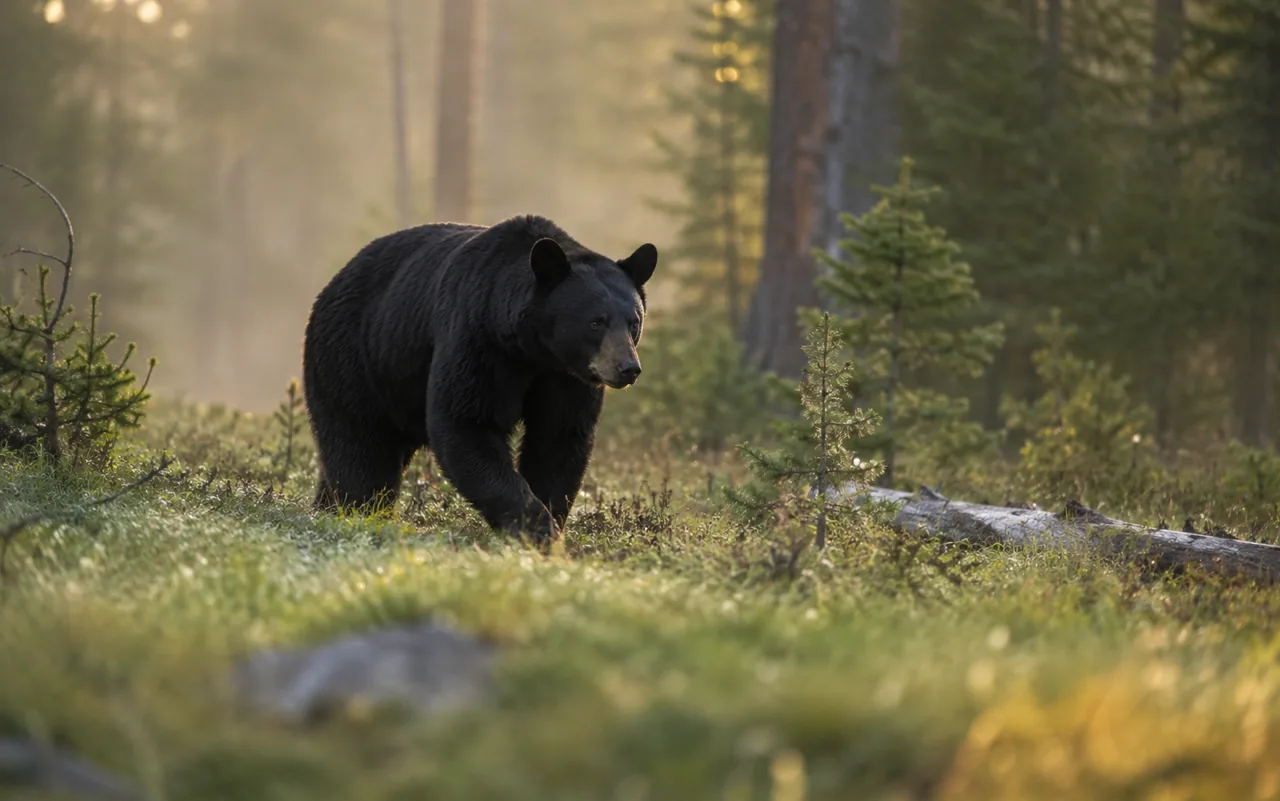
The exception is in genuine bear country, where occasional voice or noise is actively recommended to avoid surprising wildlife. There's a difference between a conversational "hey bear" every few hundred metres and a Bluetooth speaker blasting house music across a quiet valley.
The small habits that mark you out
A few small things separate thoughtful hikers from average ones. Greeting other hikers with a nod or a hello — particularly in remote areas, where it's a quiet acknowledgement that you've seen each other and could help if needed. Packing out absolutely everything, including organic-looking things like banana peels and apple cores, which take far longer to decompose than people assume and attract wildlife in the meantime. Stepping fully off the trail to take a phone call rather than walking and shouting into a headset. Not blocking the trail at a viewpoint so other hikers can't get past. Letting faster hikers overtake rather than speeding up to stay ahead of them, which always ends with both groups exhausted.
Group sizes and group sounds
If you're hiking in a group of more than four, you become responsible for a small piece of trail infrastructure all by yourselves. Walk single file in narrow sections rather than spreading out three abreast. When you stop, stop completely off the trail rather than half on, half off. And keep the group volume calibrated to where you are — a chatty social walk on a popular suburban trail is fine; the same volume in a national park's wilderness area is intrusive. Reading the room, as it were, applies to forests too.
None of this is hard. Most of it is just thinking, briefly, about the people you can't see yet around the next bend.