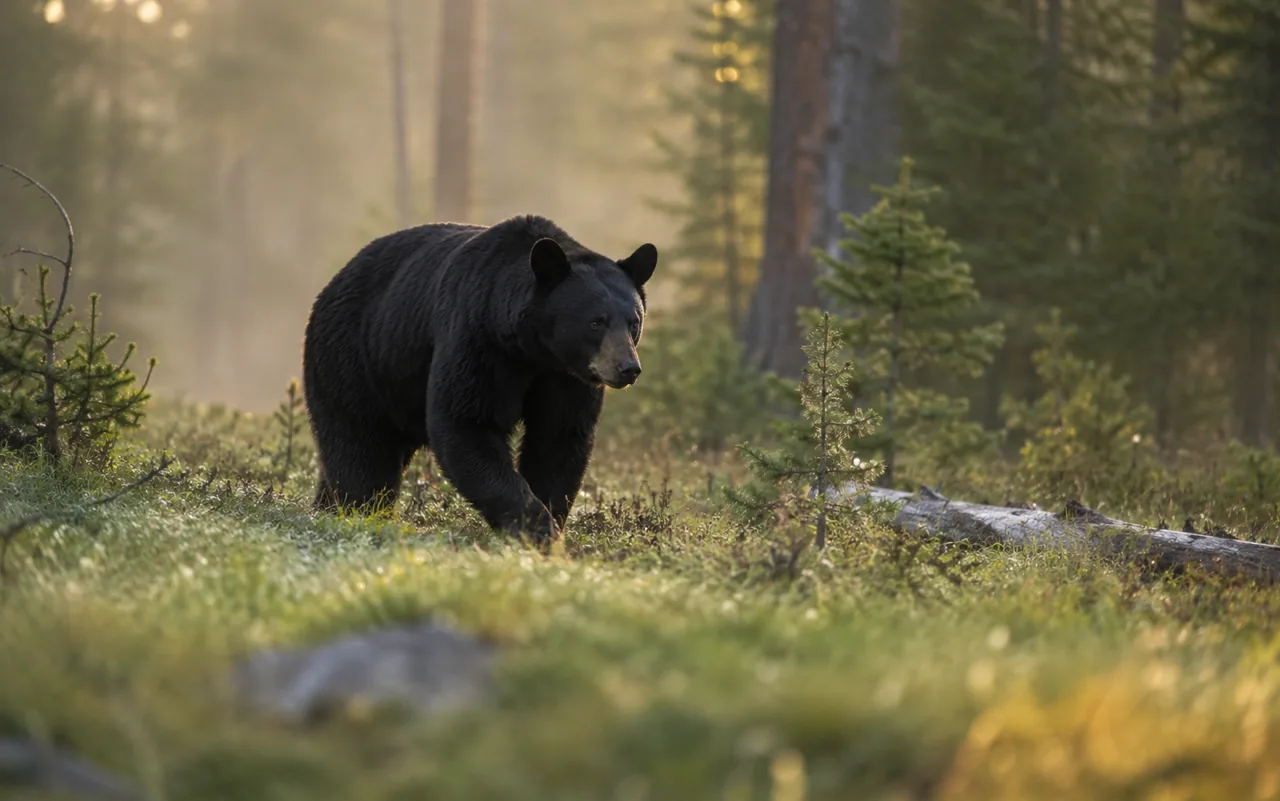
Most people who are nervous about bears have the wrong mental model. They picture a hungry predator deciding whether to attack. The reality is almost always more mundane: a curious animal — usually a black bear — wondering whether the smell coming from your campsite is worth investigating. Almost every bear "incident" you'll read about traces back to food. Solve the food problem and you've solved most of the bear problem.
This isn't to say bears are harmless. They're large, powerful animals, and they deserve the kind of respect you'd give to anything that outweighs you by several hundred pounds. But the fear most campers carry into the woods is wildly out of proportion to the actual statistics. You're more likely to be injured by a falling tree branch than by a bear, and you can dramatically reduce even that already-small risk by following a handful of simple rules.
Bears follow their noses, not their eyes
A black bear's sense of smell is around seven times stronger than a bloodhound's. That toothpaste at the bottom of your pack, that granola bar wrapper in your jacket pocket, the smear of bacon grease on your hands from breakfast — to a bear, all of these are floodlit signs that say food is here. Bears in popular hiking areas have learned over generations that human campsites equal calories with very little effort. The fix isn't to outsmart them. The fix is to give them nothing interesting to investigate.
Store food the boring way
Bear canisters are not glamorous and they take up annoying volume in your pack, but they work. So do properly hung bear bags, when the trees cooperate — at least four metres off the ground and two metres from any trunk or branch. In car-camping situations, food belongs in the boot of a vehicle with the windows up, never in the tent and never on the picnic table overnight. The same goes for anything scented: deodorant, sunscreen, the empty wrapper you forgot was in your sleeve. If you're hiking somewhere unfamiliar, read up on the area's specific rules first — the National Park Service's bear-safety guidance is a sensible starting point for U.S. parks, and it'll tell you whether canisters are required, recommended, or optional in your specific location.
Cook away from where you sleep
The classic backcountry layout is a triangle: tent, cooking area, and food storage at three separate points, with at least a hundred metres between each. The reasoning is simple. If a bear is drawn in by the smell of dinner, you don't want the cooking smells leading it to your tent. This is overkill for a developed campground with bear lockers, but in backcountry sites it's a habit worth building. Cook, eat, wash, store food, then walk away to sleep.
If you actually see a bear
The advice depends on the species. With black bears, stand your ground, make yourself look large, speak in a firm low voice, and back away slowly while keeping the bear in view. With grizzlies, the rules shift — and if you're in grizzly country, you should have read up before you arrived, ideally carrying bear spray you actually know how to deploy. The worst thing you can do with any bear is run; you're broadcasting "prey." The second worst is to surprise one at close range, which is why hiking groups in bear country talk and clatter on the trail rather than walking in silence.
Camping in bear country isn't really about bravery. It's about being a slightly less interesting neighbour than the squirrels. Get your food storage right, keep your campsite clean, and the bears will almost always do exactly what they prefer to do anyway, which is avoid you.